
What Is Kava? A Complete Beginner's Guide
What is kava? A clear guide to the South Pacific root drink, how it's made, what it tastes like, how it makes you feel, and whether it's safe and legal.
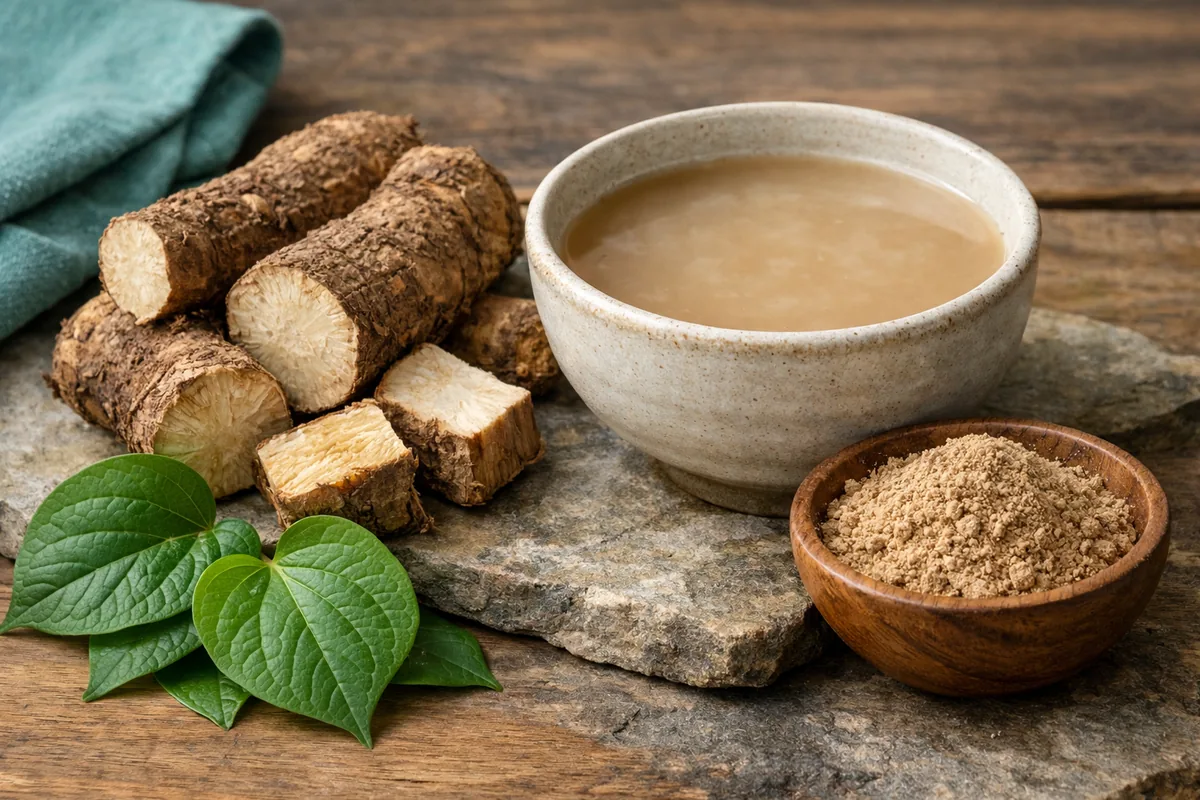
Kava is a drink made from the root of the kava plant (Piper methysticum), a pepper relative native to the South Pacific. For thousands of years, islanders have ground the root and steeped it in water to make an earthy, calming beverage shared in community and ceremony. Kava contains compounds called kavalactones that promote relaxation and ease tension without any alcohol and without clouding your mind. Today it is the centerpiece of a growing alcohol-free bar scene, including here in Colorado Springs.
If you have heard the word "kava" and were not sure whether it is a tea, a drug, or a supplement, this guide answers everything in plain language.
Where does kava come from?
Kava is native to the islands of the South Pacific, including Fiji, Vanuatu, Tonga, Samoa, and Hawaii. In these cultures kava is not a novelty; it is a cornerstone of social and ceremonial life stretching back over 3,000 years. Communities welcomed guests with it and gathered around the communal bowl at the end of the day to talk, relax, and connect.
That heritage tells you what kava is for: not getting intoxicated, but slowing down, being present, and coming together. Modern kava bars carry that tradition forward.
What is kava made from?
Kava comes from the root and underground stems of the kava plant. The basic journey from plant to cup looks like this:
- The root is harvested from mature kava plants, often several years old.
- It is cleaned, dried, and ground into a fine powder.
- The powder is steeped in water, traditionally kneaded by hand inside a cloth strainer, which pulls the active compounds into the liquid.
- The result is strained into an earthy, tan-colored drink.
The active ingredients released in this process are called kavalactones — naturally occurring compounds responsible for kava's calming effects. Different kava varieties have different kavalactone profiles, which is why some feel more relaxing for the body and others feel more uplifting and social.
What does kava do? How does it make you feel?
Kava's kavalactones interact with your body's natural calming pathways to produce a feeling most people describe as a clear-headed calm. Typical effects include:
- Physical relaxation, as your muscles loosen and your shoulders drop.
- Eased tension and social anxiety, so conversation flows more easily.
- A mild, pleasant sense of well-being that is mellow and sometimes lightly euphoric.
- Mental clarity, which is the key difference from alcohol: you stay lucid and in control.
One small, immediate quirk: kava often produces a slight numbing or tingling on the lips and tongue when you first sip it. That is completely normal and a sign the kavalactones are active. For a deeper look, read our guide to kava effects and benefits.
What does kava taste like?
Traditional kava is an acquired taste. It is earthy, peppery, and a little bitter, because it is a root steeped in water. Many first-timers find it surprising, then come to enjoy it. Modern kava bars have made it far more approachable with flavored kava sodas, teas, kombucha, and fast-acting extract shots that are bright and easy to drink. At Kava Works you can ease in with a smooth Fiji Blend or go straight for a crisp kava soda. Browse the full Kava Works menu.
Is kava a drug? Is it alcohol?
Kava is not alcohol, and it is not an intoxicant the way alcohol or recreational drugs are. It is a plant-based beverage, botanically a relative of black pepper, that has been consumed safely for millennia. It will not get you "drunk," it will not impair your judgment the way alcohol does, and it does not produce a recreational-drug high. Think of it as an adult relaxation beverage, enjoyed mindfully and responsibly by guests 18 and older.
Is kava safe?
For most healthy adults, kava is well tolerated when enjoyed responsibly and in moderation. A few sensible guidelines:
- Never mix kava with alcohol or other sedatives.
- Start slow, especially your first time, and see how you feel before having more.
- Talk to your doctor if you have liver concerns or take medications.
We cover the details in our full guide on whether kava is safe.
Is kava legal?
Yes, kava is legal in the United States, including Colorado, where it is sold and served in kava bars and lounges. For the local picture, see our guide on whether kava is legal in Colorado.
How do you drink kava?
You can sip it slowly over a relaxed evening, or take a faster-acting extract shot to feel it sooner. Traditionally people drink it in rounds, a "shell" at a time, letting the calm build gradually. The best way to learn is to visit a kava bar where a knowledgeable kavatender can guide you. We walk through it in kava for beginners and how to drink kava.
Try kava for yourself in Colorado Springs
Reading about kava only gets you so far. At Kava Works we will help you find your first pour and feel that clear-headed calm yourself, in a relaxed, alcohol-free lounge built for exactly this. Visit us at our North location or Downtown lounge, open seven days a week with nightly happy hour.
Frequently asked questions
What is kava?
Kava is a drink made from the root of the kava plant, native to the South Pacific. It contains kavalactones that promote relaxation and ease tension without alcohol, keeping your mind clear. It has been enjoyed in community and ceremony for over 3,000 years.
What does kava do to you?
Kava relaxes your muscles, eases social anxiety, and creates a mild, pleasant sense of calm and well-being, all while keeping you clear-headed and in control. It does not intoxicate or impair you the way alcohol does.
Is kava alcohol or a drug?
Neither. Kava contains no alcohol and is not an intoxicating drug. It is a plant-based relaxation beverage, botanically related to black pepper, enjoyed responsibly by adults.
What does kava taste like?
Traditional kava is earthy, peppery, and slightly bitter, an acquired taste for many. Modern kava bars also serve flavored kava sodas, teas, and extract shots that are much more approachable for beginners.