
Types of Kava: Waka, Noble, Heady vs. Heavy
A friendly guide to the types of kava, noble vs. tudei, waka grades, heady vs. heavy effects, and traditional vs. extracts vs. instant, so you can pick the right one.
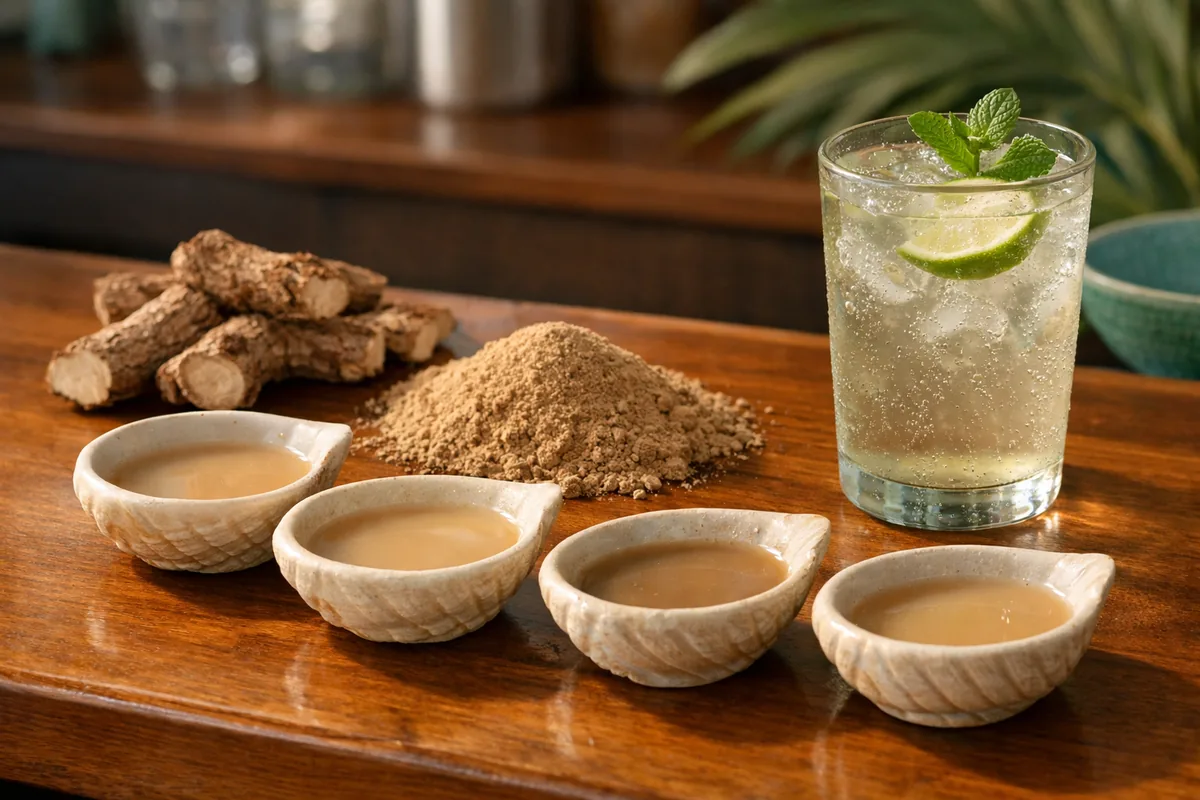
Kava comes in several types, but you really only need to understand a few ideas. First, look for noble kava, the high-quality, daily-drinking varieties; avoid "tudei" kava, which is harsher. Second, kava is often described as "heady," meaning uplifting and social, or "heavy," meaning relaxing and body-calming, and many blends sit in between. Terms like "waka" describe the grade and part of the root used. Finally, you can enjoy kava as a traditional brew, a fast-acting extract shot, or a flavored soda or tea. Tell your kavatender the feeling you want, and they will point you to the right one.
Noble vs. tudei kava: the quality distinction
The most important quality term in kava is "noble."
- Noble kava is the premium varieties traditionally selected over centuries for daily, pleasant, well-balanced effects and good tolerability. This is what reputable kava bars serve.
- Tudei kava, or "two-day" kava, is stronger, harsher varieties that can leave people feeling off for longer. Quality vendors avoid serving tudei for everyday drinking.
Bottom line: stick with noble kava. At a good lounge, that is already handled for you.
"Heady" vs. "heavy": the effect spectrum
This is the single most useful thing to know when ordering, because it describes how a kava will make you feel:
- Heady kava feels uplifting, euphoric, talkative, social, and clear. It is great for going out, socializing, and earlier in the evening.
- Balanced kava is a mix of uplift and relaxation, a safe default for most situations.
- Heavy kava feels relaxing, sedating, and heavy-bodied. It is great for winding down, evenings, and deep relaxation.
So if you want to be social and bright, ask for something heady. If you want to melt into the couch and decompress, ask for something heavy. Many house blends are intentionally balanced. More on effects in our guide to kava effects and benefits.
What does "waka" mean?
You will see grade terms that describe which part of the kava plant was used, which affects strength and character:
- Waka is made from the lateral roots, the thin, stringy roots, traditionally prized and often more potent and heady.
- Lawena is made from the basal or stump root, often heavier and more relaxing.
- Blends combine parts for a balanced profile.
A house Fiji Blend or Waka, for instance, leans on that classic earthy, grounding character, a great traditional starting point. See the menu.
How kava is served: traditional vs. extract vs. flavored
Beyond the variety, you choose a format based on taste and how fast you want to feel it:
- Traditional brewed kava is ground root steeped in water, the authentic, earthy experience. It comes on gradually over 15 to 30 minutes. See how to drink kava.
- Extract shots are concentrated, fast-acting servings for a quicker, more pronounced onset.
- Flavored kava, like sodas, teas, and kombucha, is bright, refreshing, and much more approachable than the earthy traditional brew.
- Instant kava is a convenient powder that dissolves quickly, handy at home and common in to-go products.
Which kava should you choose?
A quick decision guide:
- First time or unsure of the taste? Start with a flavored kava soda or tea, or a smooth balanced blend.
- Want to be social and uplifted? Go heady.
- Want to deeply relax and wind down? Go heavy.
- Want to feel it faster? Try an extract shot.
- Want the authentic ritual? Order a traditional brew like a Fiji Blend or Waka.
And the universal tip: start with one serving, give it 15 to 30 minutes, and adjust from there. New to all of this? Our kava for beginners guide has you covered.
Find your type at Kava Works
The fun part is exploring. At Kava Works our menu spans traditional blends, extracts, and bright kava sodas and teas, and our kavatenders will match you to the right type based on the feeling you are after. Visit us North or Downtown. Tell us "heady or heavy," and we will take it from there.
Frequently asked questions
What are the main types of kava?
Kava is categorized a few ways: by quality, where noble kava is the premium daily-drinking standard and harsher "tudei" kava is best avoided; by effect, where heady is uplifting and social and heavy is relaxing and sedating, with balanced blends in between; and by the root grade used, such as waka from the lateral roots. It is also served as traditional brew, extract shots, or flavored sodas and teas.
What is the difference between heady and heavy kava?
Heady kava feels uplifting, euphoric, and social, good for going out and daytime use. Heavy kava feels relaxing and sedating with a heavy body feeling, good for winding down in the evening. Many house blends are balanced between the two.
What does "waka" mean in kava?
Waka refers to kava made from the lateral, thin and stringy, roots of the plant, traditionally prized and often more potent and heady. Other grades like lawena use the basal root and tend to be heavier and more relaxing.
Which type of kava is best for beginners?
Beginners often do best starting with a flavored kava soda or tea, or a smooth balanced blend, which are more approachable than the earthy traditional brew. Start with one serving and ask your kavatender to match a kava to the feeling you want.