
Is Kava Safe? Side Effects & Responsible Use
Is kava safe? An honest, balanced guide to kava's side effects, liver questions, who should avoid it, safe amounts, and how to enjoy kava responsibly.
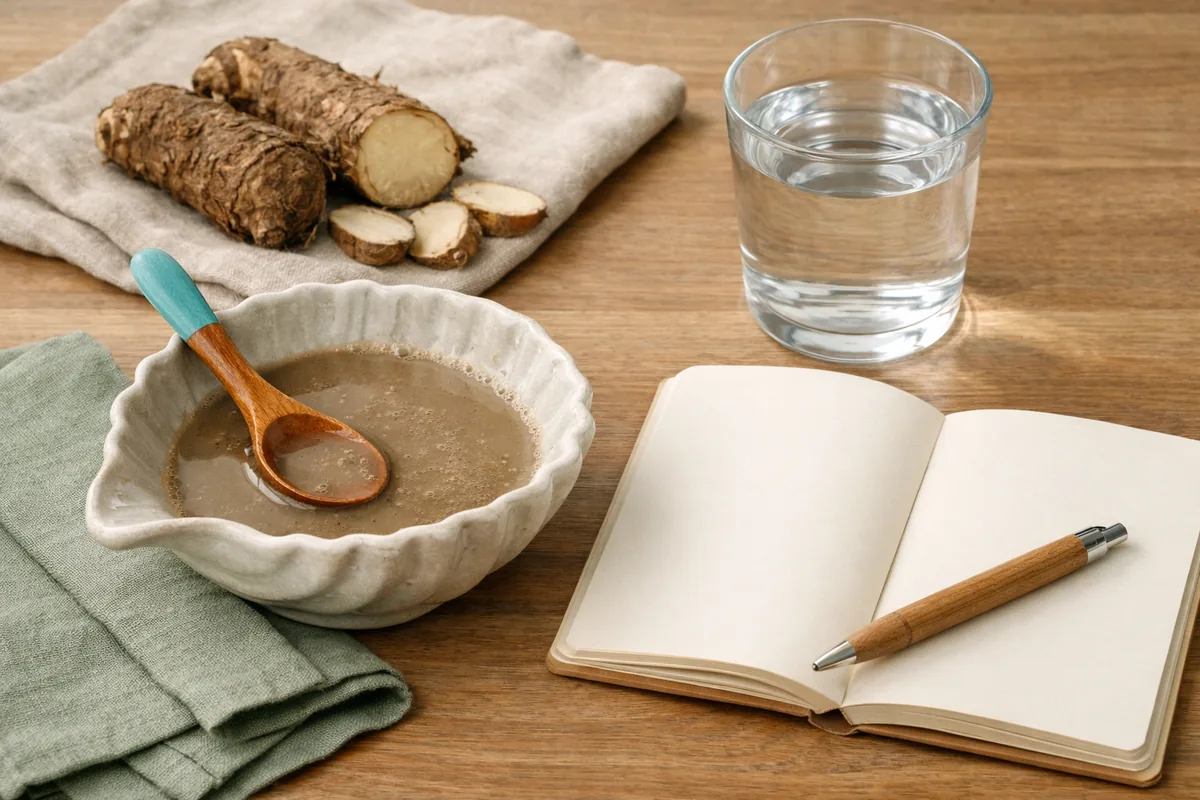
For most healthy adults, traditional water-based kava is considered safe when enjoyed responsibly and in moderation. It has been consumed for thousands of years in the South Pacific and is enjoyed today in kava bars across the country. The most common effects are mild and temporary: lip numbing, relaxation, and occasional drowsiness or stomach upset. The biggest safety rules are simple: never mix kava with alcohol or sedatives, do not overdo it, avoid it if you have liver problems or take medications processed by the liver, and skip it if you are pregnant or breastfeeding. When in doubt, talk to your doctor.
This article is general information, not medical advice.
Why kava has a long track record
Kava has been central to South Pacific cultures for more than 3,000 years, traditionally prepared by steeping the ground root in water. That traditional, water-based preparation, the kind served in kava bars, has a long history of safe, communal, responsible use. It is not intoxicating like alcohol, it is not physically addictive the way alcohol or many drugs are, and it does not produce a dangerous withdrawal. For background, see what is kava.
Common side effects, usually mild and temporary
For most people, kava's side effects are minor:
- Lip and tongue numbing or tingling, which is harmless and expected.
- Drowsiness or sleepiness, especially with larger amounts. Do not drive if you feel notably relaxed.
- Mild stomach upset, more likely on an empty stomach or with a lot of kava. Eat a little first.
- Grogginess if you have a large amount late at night.
These typically fade on their own. Start with a smaller serving to see how your body responds.
The liver question, explained honestly
This is the concern people have heard about, so let's be clear and balanced:
- In the early 2000s, a number of liver-injury reports were associated with certain concentrated kava extracts, some made with solvents and sometimes using the wrong part of the plant. This led several countries to temporarily restrict kava.
- On re-examination, many experts concluded the risk was tied largely to poor-quality extracts and improper plant parts rather than traditional water-based root preparations, and a number of those restrictions were later eased or lifted.
- The responsible takeaway still stands: moderation matters, quality matters, and people with liver conditions should avoid kava.
Practical liver-safety rules:
- Do not mix kava with alcohol.
- Avoid kava if you have any liver disease or condition.
- Be cautious with medications, especially anything metabolized by the liver. Check with your doctor or pharmacist.
- Do not binge. Heavy daily, high-dose use is where problems concentrate.
"Kava dermopathy," the heavy-use skin thing
Very heavy, prolonged daily kava use can cause kava dermopathy, a dry, scaly, flaky skin condition. The reassuring part is that it is associated with extreme, sustained intake and it resolves when use is reduced or stopped. It is not something casual or moderate kava drinkers typically encounter.
Who should avoid kava, or check with a doctor first
Skip kava, or talk to your doctor before trying it, if you:
- Have liver problems or a history of liver disease.
- Are pregnant or breastfeeding.
- Take medications that affect the liver, sedatives, or anything that may interact with it.
- Have been drinking alcohol that day. Do not combine them.
- Have a scheduled surgery soon. Tell your provider.
- Are under 18. Kava is an adult beverage, and we check ID.
How much kava is safe?
There is no single official number, but the practical guidance is consistent:
- Start small, especially your first time. One serving, then wait 15 to 30 minutes.
- Find your comfortable level. The goal is relaxed and clear-headed, not as much as possible.
- Hydrate, and do not drink on a totally empty stomach.
- Keep it occasional-to-moderate rather than heavy and daily.
- Listen to your body and stop if anything feels off.
Our guide to kava for beginners turns this into a simple first-visit game plan.
Is kava addictive?
Kava is not considered physically addictive the way alcohol, nicotine, or opioids are, and it does not cause a dangerous withdrawal. Like any enjoyable ritual, it is best kept in healthy moderation, but it does not carry alcohol's dependence profile, which is one reason people in recovery and the sober-curious often appreciate it.
The balanced bottom line
For most healthy adults, traditional kava enjoyed responsibly and in moderation is considered safe, and it offers genuine relaxation without alcohol's impairment, hangovers, or addiction risk. The real risks cluster around poor-quality concentrated extracts, heavy daily overuse, mixing with alcohol or medications, and pre-existing liver issues. Avoid those, listen to your body, and talk to your doctor if you have any health concerns.
At our two Colorado Springs lounges, our kavatenders help you find the right amount and the right drink. Visit Kava Works North or Downtown, browse the menu, and try it the responsible way.
Frequently asked questions
Is kava safe to drink?
For most healthy adults, traditional water-based kava is considered safe when enjoyed responsibly and in moderation. Avoid mixing it with alcohol or sedatives, do not overdo it, and avoid kava if you have liver problems, take interacting medications, or are pregnant or breastfeeding. Talk to your doctor if unsure.
Is kava bad for your liver?
Traditional, moderate, water-based kava use is generally well tolerated. Liver concerns have been linked mainly to certain low-quality concentrated extracts and heavy overuse. People with liver conditions should avoid kava, and no one should combine kava with alcohol or liver-affecting medications.
What are the side effects of kava?
Common, usually mild side effects include temporary lip and tongue numbing, drowsiness, and occasional stomach upset. Very heavy, prolonged daily use can cause a reversible skin condition called kava dermopathy. Moderation keeps risks low.
Is kava addictive?
No. Kava is not considered physically addictive like alcohol or opioids, and it does not cause a dangerous withdrawal. It is still best enjoyed in healthy moderation.